Table Of Content

If you ever get the chance to tour a shipyard, it’s well worth your time. Standing next to the massive cranes and ships that are being built, you will feel like the tiniest being on earth. Crowley Shipping and Logistics in Jacksonville, Florida, will not disappoint if you take time for a visit. It gives you insight into how things are made and transported globally. Due to financial losses in 2006, they discontinued making passenger cruise ships.
The Shakedown Voyage
The superstructure is the part of the ship that houses the passenger cabins, public areas, and crew quarters. The superstructure is made from a variety of materials, including steel, aluminum, and glass. It wouldn’t be unreasonable to think it would take a decade or more to get a ship built. Truth is that some of the largest cruise ships in the world can be built in less than two years.
Step 7: Finalization
The ship will load some basic supplies and may set sail to its homeport or wherever the naming ceremony is taking place. Now the ship is floated out it will be moved to another part of the shipyard for the rest of the fit-out. So take an average of 750 workers across an 18-month period – if they worked 8-hour shifts for 300 days in total that would be 1.8 million man-hours.
Where are cruise ships built?
How are cruise ships built? Cruise.Blog - Cruise Blog
How are cruise ships built? Cruise.Blog.
Posted: Thu, 09 Nov 2023 08:00:00 GMT [source]
It was constructed at the STX Europe Turku shipyard in Finland for a cost of around $1.43 billion. Additionally, new ships often employ cutting-edge technology and engineering, and cruise lines must pay for the teams of experts needed to turn design dreams into reality. The type of materials used can also drive up the cost, especially if sustainable or ultra-high-end products are used. While we might think of the Titanic as a cruise ship, it was technically classified as an ocean liner.
With the sea trials complete, the ship returns to the shipyard for the last parts of the build and furnishing. The ship will then be floated out of the yard to a new location where building work continues – freeing up the dry dock for the next ship. It’s at this stage that the rest of the ship is fitted out with the various furnishings and features. The keel is the lowest part of the ship, and during this ceremony, it is laid into place in the dry dock where the ship is going to be put together using massive cranes. The second step in the process is the steel-cutting ceremony, and this is where the actual build technically starts.
This Is Where Cruise Ships Are Built
Cruise ships usually begin boarding an hour or two after all passengers from the previous voyage have left the ship. Crystal Cruises plans to resume cruises on July 3 with one of its two bigger ocean ships, Crystal Serenity, sailing all-Bahamas trips out of Nassau in the Bahamas. The line's other large ocean vessel, Crystal Symphony, will resume sailings on Aug. 5 with sailings out of St. John's, Antigua. Crystal plans to operate some river cruises starting Aug. 29 and sailings on its new expedition ship, Crystal Endeavor, starting in July.
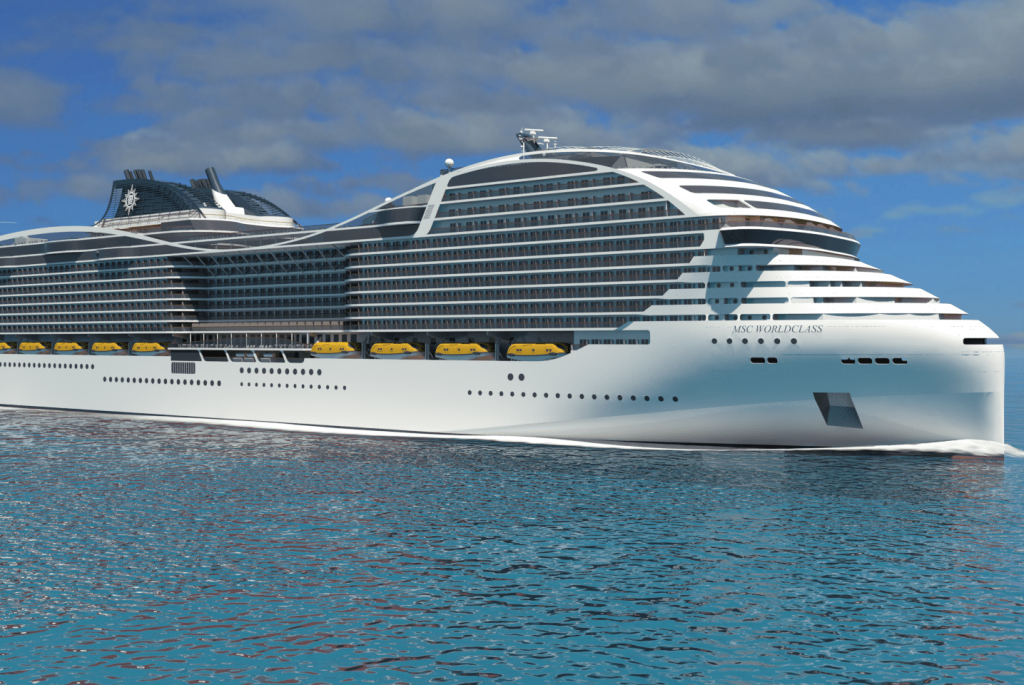
The Stages Of Building A Cruise Ship
A delivery ceremony may take place, in which representatives from the shipyard and the owner’s company come together to commemorate the ship’s completion. The delivery and commissioning of a cruise ship mark the final stages of its construction and the official handover to the ship’s owner. It is an exciting milestone that culminates months or even years of hard work and planning. Overall, the exterior and aesthetic features of a cruise ship are carefully designed to create a visually striking and memorable experience for passengers. From the hull design to the paintwork, decorative elements, and lighting, every aspect is considered to enhance the ship’s visual appeal and create a lasting impression on all who encounter it. The installation of mechanical and electrical systems is a crucial phase in the construction of a cruise ship.
Maiden Voyage
AmaWaterways plans to restart cruises in Europe on July 3 with sailings on the Douro River in Portugal. Sailings on other European rivers, including the Danube, Rhine and Rhone, will resume toward the end of July, with various ships returning on a staggered basis. A dockyard is more of a storage facility or place for repairing ships and other water vessels.
Tradition holds that a cruise ship has a ship’s godmother, a woman who names the craft and brings it luck. In addition to skilled workers, the construction of a cruise ship also requires a large number of unskilled laborers. These workers are responsible for tasks such as moving materials, cleaning up the worksite, and performing other basic tasks.
Join us as we explore the fascinating world of cruise ship construction and discover the incredible engineering feats that make these floating cities possible. The cost to build a cruise ship can vary significantly depending on the size and complexity of the ship. However, the average cost to build a cruise ship is around $500 million. However, the specific construction time can vary depending on the size and complexity of the ship.
When you enter the terminal building, you must show your ID and boarding documents and proceed through a security check. Your carry-on bags pass through a scanner, and you must walk through a metal detector. There are several other tricks — like completing check-in online or via your cruise line's mobile app before you show up — that you can employ to speed up the embarkation process.
The construction of a cruise ship is a complex and time-consuming process. It typically takes anywhere from two to four years to build a cruise ship, depending on the size and complexity of the vessel. The process begins with the design and engineering phase, which can take up to a year. This phase typically takes two to three years, and involves the assembly of the ship’s hull, superstructure, and interior. Once the ship is built, it undergoes a series of sea trials to ensure that it is seaworthy. The construction of a cruise ship is a major undertaking, but it is also a testament to the skill and dedication of the people who work in the shipbuilding industry.
Cruise ships are often designed to be unique and offer specific features and amenities to attract passengers. Customizing the ship’s layout, interior design, and onboard facilities can add complexity to the construction process. Each customization request may require additional time for design modifications, engineering analysis, and implementation, potentially extending the construction timeline. The capacity of the shipyard and the size and skill level of the workforce are essential considerations in cruise ship construction. Shipyards with larger capacities and well-trained teams can handle multiple projects simultaneously, reducing the overall construction time.


No comments:
Post a Comment